Inclusive by design, but mainstream at heart
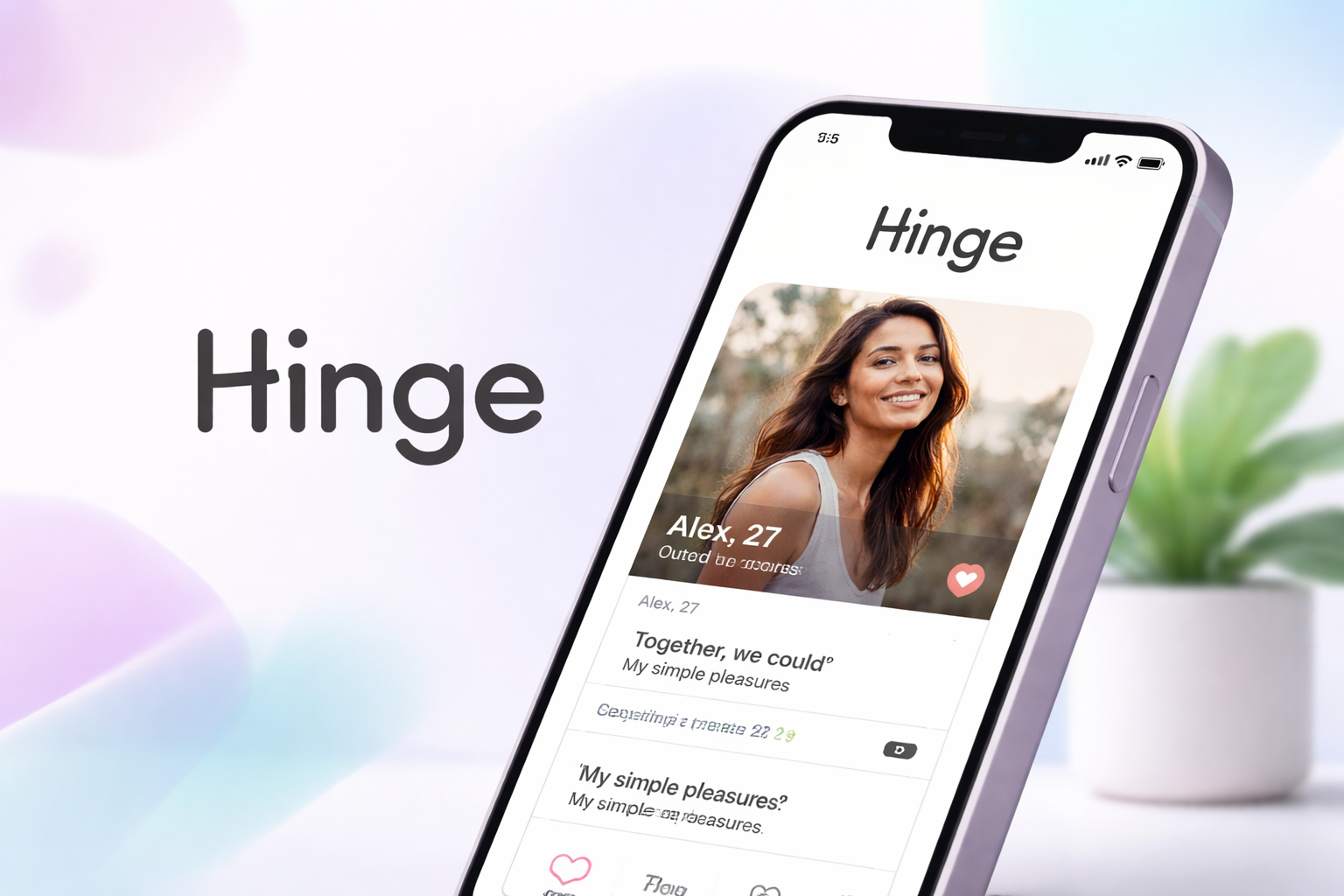
Hinge is often praised for moving away from superficial swiping and toward more intentional dating. For bisexual users, this can be refreshing — especially for those seeking conversation, emotional connection, and long-term potential.
However, despite inclusive profile options, Hinge largely operates within mainstream dating norms. Bi users may still encounter assumptions, limited understanding of bisexual identity, and uneven experiences depending on location and match pool.
Is Hinge bi-friendly in practice?
Hinge allows users to identify as bisexual and set gender preferences clearly. That said, bisexual visibility is not actively reinforced within the app’s culture. Matches may still assume monosexual intent, and conversations often require additional emotional labor to clarify identity and expectations.
For bi women dating men and women separately, the experience can differ significantly depending on the audience.
Who might consider Hinge?
Hinge may work well for:
- Bi users seeking conversation-driven dating
- People prioritizing emotional connection over casual encounters
- Users in urban areas with diverse dating pools
Who should be cautious?
Hinge may be less suitable for:
- Bi users seeking explicitly bi-centered spaces
- Couples or ethically non-monogamous users
- Those wanting strong community moderation around bi issues
Safety, privacy, and moderation
Hinge offers standard safety features such as blocking, reporting, and profile verification. While generally adequate, moderation does not specifically address bisexual stereotypes or recurring issues, meaning users often need to manage boundaries themselves.
How we evaluated Hinge
This review is based on editorial analysis, public feature review, user feedback trends, and comparison with other platforms reviewed on BiFiles. Special attention was given to bi visibility, moderation expectations, community culture, and relationship dynamics.
Final verdict
Hinge offers a more thoughtful dating experience than many swipe-based apps, but it is not bi-centered. For bisexual users comfortable navigating a mainstream dating environment, it can be a viable option — though not a first-choice bi-friendly platform.
For some LGBTQ+ users this may work — but bi women and couples should be aware of the limitations.
Looking for a more bi-friendly alternative?
Explore platforms that place stronger emphasis on bi visibility, safety, and community expectations.
→ View Best Bi-Friendly Alternatives